Reading Ryuichi Sakamoto's Memoir "How Many More Times Will I See the Full Moon Rise?" — Life Is Fleeting, Nature Wins Out
On March 28, 2023, Ryuichi Sakamoto died of cancer at the age of 71. Everyone was posting tributes on WeChat Moments; black-and-white posters of him were everywhere, along with "Merry Christmas, Mr. Lawrence."
At the time, it didn't move me much. My impression of him was of someone elegant and famous, with beautiful piano pieces, but I hadn't listened to much of his work, so I wasn't a fan. I only mourned him briefly, deep down.
Three years later, by chance, I came across a Bilibili creator recommending his memoir, How Many More Times Will I See the Full Moon Rise? — a title steeped in too much regret.
Here is Sakamoto's own explanation of the title in the book:
"Having reached the age of seventy in 2022, I find myself thinking of that line often these days. Some may remember it from the film The Sheltering Sky (1990), directed by Bernardo Bertolucci — the same director whose The Last Emperor (1987) I had scored before. At the end of the film, the novel's author, Paul Bowles, appears and says these words slowly: Because we don't know when we will die, we get to think of life as an inexhaustible well. Yet everything happens only a certain number of times. How many more times will childhood memories surface, the ones that shaped our lives? Perhaps four or five. How many more times will we watch the full moon rise? Perhaps twenty at most. And yet we hold on to the belief that these chances are endless. In fact, Bowles passed away less than a decade after the film was made, and I was only in my thirties when I composed the score for The Sheltering Sky. Though his words left a deep impression on me, at the time I couldn't really feel them in my bones."
In this memoir, I saw an artist and celebrity — a vivid life beyond the spotlight. This essay is in three parts: the first on Sakamoto's thoughts on art, the second on the small everyday moments he lived through, and the third on the final days of his life.
I. Thoughts on Art
(1) Performing Before an Audience Is the Only Real Practice
In his memoir, Sakamoto says: "I've disliked practicing piano since I was a child. My theory is that performing before an audience is the only real practice. It's not showing off, and I barely rehearse. Looking at other musicians, my theory holds up. Musicians who play brilliantly but, for various reasons, get fewer chances to perform before audiences — a few years later, their playing has lost its former luster, and it's truly heartbreaking to see. The same goes for actors: you only truly become a professional by actually performing before an audience. No amount of practice at home means anything."
He describes entering a flow state and playing for two hours without realizing it, as if the god of music descended from the heavens and lifted him onto a higher stage with a hook. He no longer had any thought of trying to control the piano; only his fingers moved across the keys like flowing water, and wrong notes no longer distracted him.
In 1996, when he performed at the Odeon of Herodes Atticus in Athens, it was supposed to be a trio concert with two other musicians. But once he placed his fingers on the keyboard to play the first piece, he couldn't stop — for about thirty minutes, he played entirely alone, completely lost in the music. After a while, he realized the cellist and violinist were staring at him. He had been utterly absorbed. During the intermission, behind him, a full moon slowly emerged between the columns of the Greek architecture.
I also studied guitar at a music studio in college. When I performed on stage, I was extraordinarily nervous — the smooth flow of notes I'd practiced vanished entirely, leaving only a blank mind. I simply had too few performance opportunities and hadn't adapted to the stage, so I couldn't yet understand the experience Sakamoto describes. I still lean toward practicing quietly alone in my room. But his view seems to be that music only takes on richer meaning when it's heard by someone other than its creator — which fits the nature of how musical works spread. And there's the element of presence: hearing a performance live is completely different from listening to an MP3.
(This is how I felt watching a live performance at a hackathon I attended earlier.)
(2) Being Endlessly Asked to Play "Merry Christmas, Mr. Lawrence"
Sakamoto records a rather interesting bit of perspective-taking logic:
Why do I still obsess over writing something that surpasses "Merry Christmas, Mr. Lawrence"? Of course, that piece is my signature work, known to the world, but I truly hate being pinned down by that public image, so for about ten years I flatly refused to play it at concerts. Wherever I went, people would ask, "Could you play 'Merry Christmas, Mr. Lawrence'?" It was endless — I'd had enough.
So why did I start playing it again? The trigger was actually in 2010, when I was in Japan and went to the Budokan to see Carole King and James Taylor in concert. Like everyone else in the audience, I was waiting for Carole King to sing her famous song "You've Got a Friend," but that night she kept teasing the audience and wouldn't sing it. At the very end, she finally did, and I was utterly satisfied — so glad I'd been there to hear it live. There were encore songs after that, but I went home once I'd heard it. I, who had stubbornly refused to play "Merry Christmas, Mr. Lawrence" thinking "I'm not going to play that," found myself restless at another artist's concert because I couldn't hear their signature song. So I made peace with it then: I shouldn't deny the existence of the audience who come to a Ryuichi Sakamoto concert specifically for "Merry Christmas, Mr. Lawrence."
(3) Music Comes Out of Noise
The book says: "The project was called 'Music Comes Out of Noise.' However, it's slightly different from the feeling the sculptor Michelangelo had when he saw a block of marble and the image of David appeared before his eyes. For me, this phrase is closer to the feeling of playing with sand.
In a sandbox in the park, children have no preconceived idea of what they'll create. As they play, the sand in their hands sometimes becomes a bridge, sometimes a palace — there's no design drawing prepared in advance. Making Out of Noise was like that too. I wanted to create works where listeners, while hearing the noise, gradually see music emerge in their minds. In the era of analog television, late at night after the day's programming ended, the screen would show a black-and-white 'snow' pattern with a harsh 'zzzz' sound. When you're drunk and stare at that 'snow' pattern, images or music might gradually surface before your eyes. The goal of making Out of Noise was probably to get close to that feeling."
As a creator, I can relate to some of this. Often the feeling is vague and unclear — I don't think about what kind of words these feelings could become; it's only through gradual accumulation, through experiencing more things and reading more works, that the words gradually take shape.
(4) Language Fixes the Boundaries of Nature
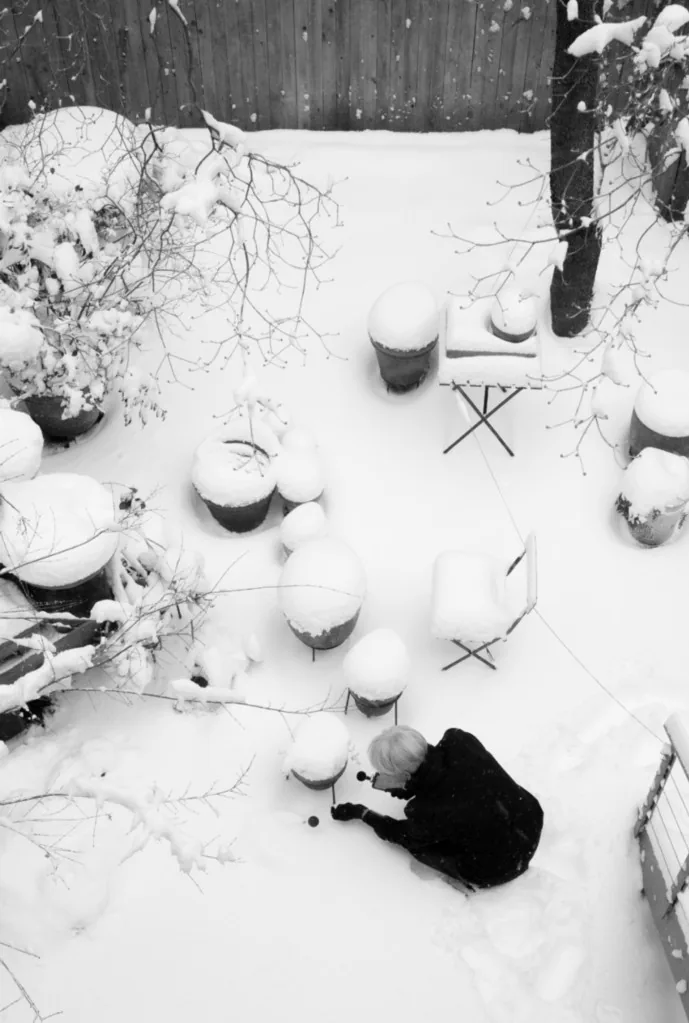
(Ryuichi Sakamoto doing field recording in his home garden)
Speaking of the influence of language on thought, he says: When I think about the function of human language, I believe language actually draws boundaries around intangible things. Hearing the word "fog," you feel the presence of fog; hearing the word "sky," you feel the boundary of the sky. When children draw flowers, they might draw petals, stamens, and pistils — but this selection may be largely influenced by language.
Originally, everything in the natural world is interconnected, yet language draws boundaries. Of course, such boundaries have their benefits, but as I've grown older, I've come to feel that this may be the very root of human error. So in Life—Fluid, Invisible, Inaudible..., I wanted to present the ever-changing forms of water as a single whole. In essence, our bodies may themselves be fluid, yet once tied to language, they become fixed. Looking back, it was around this period that I developed a wish to escape logical cognition and draw closer to nature itself.
Yes—for a flower, scent and shape are one and indivisible, yet our disciplines assign scent to chemistry and form to physics, tearing the thing itself apart for the convenience of study, when in fact they must be felt as one. Nature does not preach; simply drawing near to it puts the mind at peace.
(V) The Sea-Rusted Piano
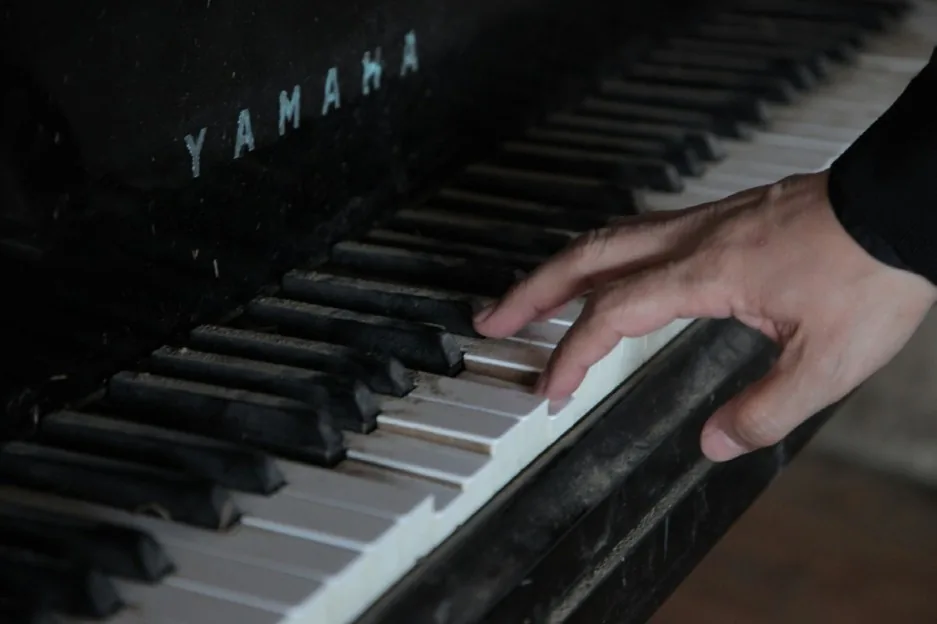
(Encountering the "tsunami piano" at a Miyagi Prefecture agricultural high school)
The book records something truly wondrous—a piano corroded by seawater. Just hearing the phrase "sea-rusted piano" evokes an extraordinary sense of vicissitude:
I got word that a piano had been submerged in the tsunami's muddy water, so I made a special trip to see it in Natori, Miyagi Prefecture. When I actually saw the piano, my first reaction was that it was sturdier than I had imagined—even after such a disaster, its form had not shattered the way other instruments do. Of course, having soaked in salt water for so long, the metal strings were completely rusted. The wooden keys had swollen from the soaking, and half of them, once pressed, would not spring back. It could not be easily repaired, and even if part of it could be, it would be unusable for ordinary performance.
Yet when I pressed the keys of this broken "tsunami piano" and listened to the distinctive sounds of those completely detuned strings, I couldn't help feeling that these strings, after being destroyed by the natural force of the tsunami, had become something quite extraordinary. Come to think of it, the piano itself is an artificial creation—made from wood produced by nature, joined to steel, built to produce sounds humans enjoy. So conversely, I also felt that the power of nature—the tsunami—had destroyed human conceit and turned this piano into a form closer to nature itself. After I brought it home, in 2017 I created the installation Is Your Time. I also used the sound of the "tsunami piano" to make the album async, released the same year.
Thanks to this experience, Ryuichi Sakamoto created two new works, which better echo his earlier point that music arises from noise, and that drawing closer to nature better sparks the imagination.
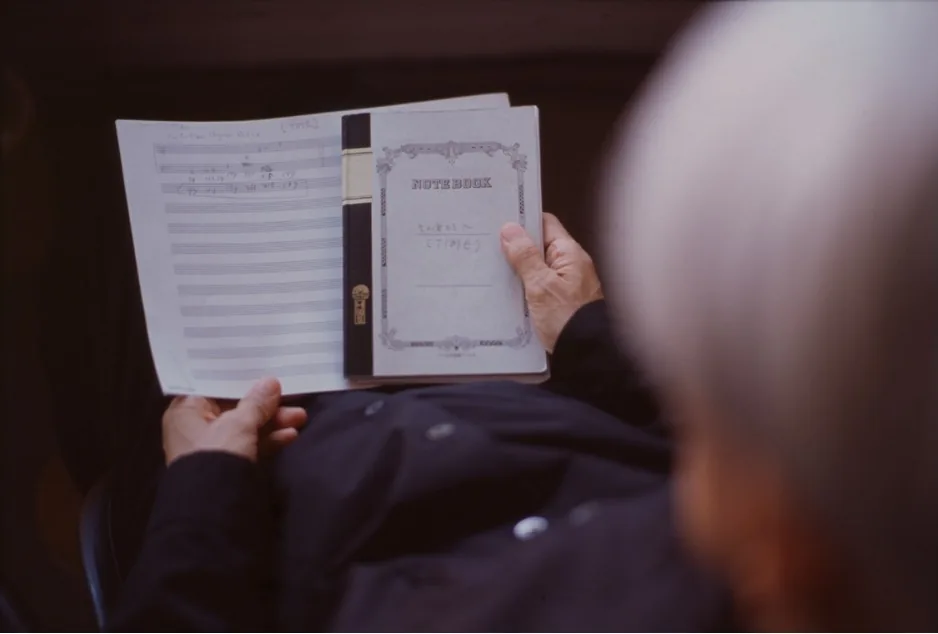
(Notes and score written for Time)
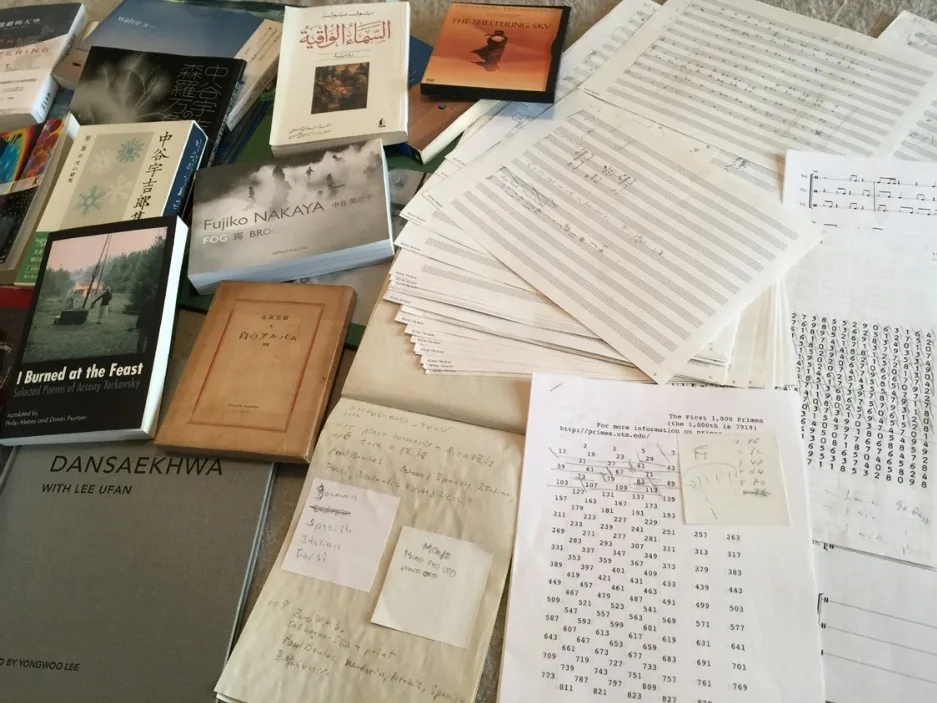
(Memos and reference materials from the making of async)
When he visited the ruins of the coastal areas devastated by the Great East Japan Earthquake that same year, he felt deeply that everything humans create will ultimately be destroyed, and that humans simply cannot contend with nature. He mentioned his fondness for a German artist named Anselm Kiefer. Kiefer is known for large-scale paintings on the dark chapters of modern German history—including the Nazi regime—made with real materials such as straw and ash.
But compared with those ruins, even Anselm's striking works pale. From this, Ryuichi Sakamoto sank into a sense of powerlessness—that even if humans strive to create music and to express themselves, it will ultimately come to nothing.
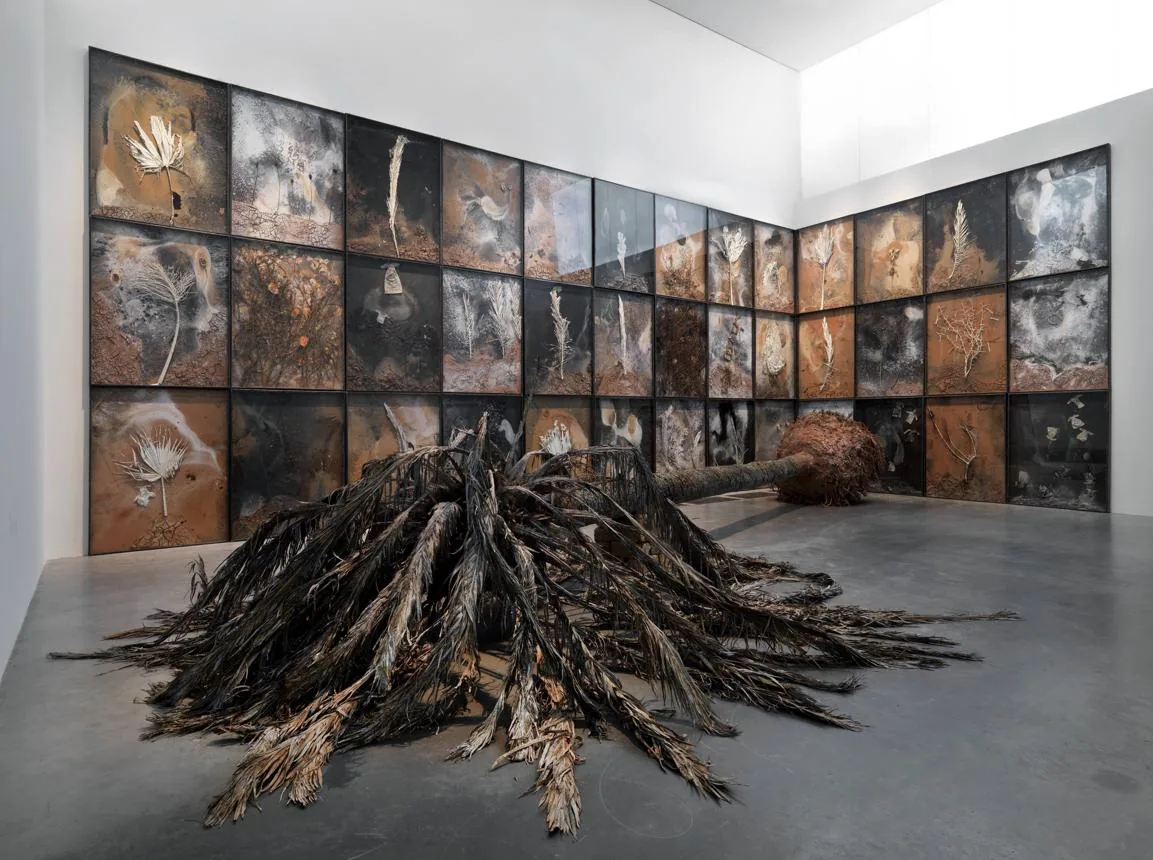
(Anselm's work Palm Sunday, 2006
A giant withered palm tree lies across the gallery floor. It resembles both a corpse and the relic of some ancient civilization. The work discusses death, rebirth, and the cycle of time.
II. Some Everyday Trifles
(I) The Presence of Friends
During his hospitalization, when Ryuichi Sakamoto was feeling low, he arrived at a new definition of what a friend is. He writes: I used to always say "I have no friends," and more than twenty years ago I even tried to define the word "friend." My conclusion then was that when you're in a bind—say your house catches fire, a burglar breaks in, or the toilet leaks—the person you can immediately call to talk it over with is your friend.
And this time, being ill, I counted up the people I could consult again, and found that in America, in Europe, and of course in Japan, there were several such people, and I couldn't help feeling grateful. A friend doesn't have to share my beliefs or interests; the only requirement is that they be trustworthy. Even if there aren't many such people, their existence alone makes me feel I am very fortunate.
Nowadays our WeChat is full of people we barely know—when trouble comes, who would we choose to call? Whoever comes to mind then must be a true friend. People who merely share your tastes may not care much about you; you just happen to overlap on some one thing. I too am lucky to have friends I can speak to anytime.
Ryuichi Sakamoto also records playing mahjong with friends in his university days and borrowing money to eat, which makes one marvel—so he was that kind of "shameless" person, haha.
Still, come to think of it, remembering the past really is nostalgic! I met Taeko Onuki in the 1970s, when neither of us was famous yet—anyway, we had loads of time. When we wanted to play mahjong, two people weren't enough, so we'd call our good friend Tatsuro Yamashita: "Coming or not?" And Yamashita would immediately drive over in the light truck from his family's bakery in Nerima to play mahjong. We'd also call up the guitarist Ginji Ito, who lived nearby, and the four of us would sit around the mahjong table—staying up three nights in a row was nothing unusual. Thinking about it, none of us had proper jobs then—how on earth did we get by?
Still, I was enrolled at Tokyo University of the Arts at the time. Though I often skipped class, when I was hungry I could still use my commuter pass to take the train to the university in Ueno. Then I'd stake out the front of the cafeteria, spreading my web like a spider, waiting for a familiar face to appear. "Do you have money?" "Could you treat me to a meal?" Extorting people like that—utterly shameless. Anyway, back then a bowl of pork cutlet rice was only 90 yen.
(II) Moments of Embarrassment
Ryuichi Sakamoto says he actually hates traveling, even though on a journey he might draw inspiration from what he sees. This rather contradicts our image of the artist.
He says: I once stayed alone in Portugal, and one day a staff member from the local record company drove me around the city himself, early in the morning. Of course I knew he meant well, so I reluctantly went along. After visiting a few so-called tourist spots and having lunch together, we were about to head to the next spot—it was three in the afternoon—when we hit a traffic jam. Our car was stuck on the road for quite a while, with no sign of moving at all. My patience wore completely thin, and the stress that had built up all day exploded—I opened the car door and shouted, "I hate sightseeing!" Then I walked back to the hotel. The staff member's jaw practically dropped.
On the day I left Portugal, this staff member came all the way to see me off, and even bowed his head to apologize: "This time I went ahead and made a decision without consulting Mr. Sakamoto. It was truly rude of me." He also handed me a bottle of fine red wine as an apology. Reflecting on my own immaturity, and understanding that he had only taken me sightseeing out of a hundred percent good intentions, I said, "It's my fault for not explaining clearly, I'm very sorry," and took the bottle... In that instant, my hand slipped, and the wine — bottle and all — crashed to the ground. The bottle shattered, and the airport terminal floor was instantly stained red. The fragrance of the red wine filled the air, and clearly this awkward atmosphere could no longer be salvaged. Looking at his crestfallen face, I thought, I really have done something terrible.”
It reads like a scene of pure social death — the kind that leaves you with no way to recover.
(3) The Socially Anxious
So even someone who attended that many events wasn't all that good at dealing with everyone. Can too much stress really cause a fever?
“To run an art festival, you have to cultivate good relations with local politicians and dignitaries. The Sapporo International Art Festival is a formal project funded by taxpayers' money. As the festival's representative, I also went to the youth division of the Chamber of Commerce and Industry and to the places where local dignitaries gather, asking them to "please support the art festival project." And yet socializing like this is exactly what I'm worst at. Once, the stress was so great that I came down with a fever the day after a dinner party.”
(4) The Failed Art Festival Homing Pigeons
In the 1980s, on a path through the rice paddies of Bali, Sakamoto was struck by the sound of dozens of pigeons fitted with whistles, circling in wide arcs through the sky. As the pigeons moved, the whistling seemed to travel off in a cluster into the distance, then return above his head.
This scene shook Sakamoto deeply, and he wanted to recreate it at the festival's opening ceremony. Every time he went to Sapporo on business, he would visit local factories, repeatedly adjusting the shape of the whistles in the hope that they would produce a beautiful sound.
But at the opening ceremony, the instant the mayor declared "The Sapporo International Art Festival is now officially open," the whistled pigeons were released all at once. Not a single one circled in the air; they flew off in a flash, and the beautiful whistling never rang out in the sky at all. He surmised that perhaps the pigeons were unaccustomed to the environment of Moerenuma Park and couldn't wait to get back to their nests, or perhaps they sensed the presence of a hawk or other bird of prey nearby and were frightened.
A spectacularly failed plan — but this way of turning something that moved him into a course of action is just so cool.
(5) A Sign of Aging: Presbyopia
Sakamoto describes the feeling of aging with extreme concreteness:
“The first time I felt "old" was at age 42. That day I walked into the studio as usual to record, sat down in the chair, picked up the score, and found that the staff lines before my eyes were somewhat blurry — for some reason I couldn't make out where the notes were. At first I thought it was because the lighting was too dim, so I had my assistant bring another lamp, but the score in front of me was still blurry. How strange, I thought, and tried adjusting the height of the desk, but the situation still didn't improve. I leaned back in the chair and stared blankly for quite a while — at this rate I won't be able to work, what am I going to do? After a while, I picked up the score again and found that the staff lines and notes that had been blurry were now clearly visible. My eyesight had stayed at 1.5 from childhood on, and this experience of everything in front of me going blurry was a first for me too. It shook me deeply, but there really was nothing to be done. Even though I bristled at the word "old," I had no choice but to decide to get a pair of reading glasses.”
(6) Efforts Against Nuclear Power
One story Sakamoto recorded is heartbreaking to read. All along the route of a music festival event, stalls were set up. At one of them, an old woman was selling fruit, and she smiled at people and said: "Fukushima peaches are sweet and delicious, but children had better not eat them." She knew perfectly well the danger of internal radiation exposure, and she was still selling those peaches. The old woman also said: "But if it's old people eating them, it's fine." This scene left Sakamoto with a flood of feelings.
For the old woman, perhaps Fukushima was the closest source of goods available to her. We have no way to judge her behavior, and she did clearly inform the buyers. But here something of the sorrow the Fukushima crisis brought to ordinary people is faintly revealed.
The Fukushima crisis has its background in March 11, 2011, when Japan experienced the Great East Japan Earthquake, the tsunami, and the Fukushima Daiichi nuclear power plant accident. Ryuichi Sakamoto subsequently carried out several initiatives.
① Launching the kizunaworld disaster relief project
Together with Tomoyasu Hirano, he founded kizunaworld.org.
Through digital content such as music provided by artists, this project encourages the public to donate to help the affected areas. Donors receive exclusive works provided by the artists.
It is not specifically an anti-nuclear project, but rather aid for the disaster areas in the wake of the earthquake, tsunami, and nuclear accident.
② Taking part in demonstrations against the restart of nuclear power plants
In 2012, the Japanese government pushed to restart some nuclear reactors, sparking large-scale social protests. Ryuichi Sakamoto followed and supported the anti-nuclear demonstrations in front of the Prime Minister's Official Residence, and personally took part in related rallies.
What worried him was this: the Fukushima accident had not yet been thoroughly resolved, and yet Japanese society might be returning to the old energy system of dependence on nuclear power.
③ Personally visiting the disaster-stricken areas of Fukushima
He traveled to areas affected by the nuclear accident to observe the environmental and social wounds left behind.
The documentary Ryuichi Sakamoto: CODA records his visits to the contaminated areas of Fukushima and his reflections on the nuclear accident.
This documentary is well worth watching, because it records not only his music-making but also how he connected music, nature, politics, and life.
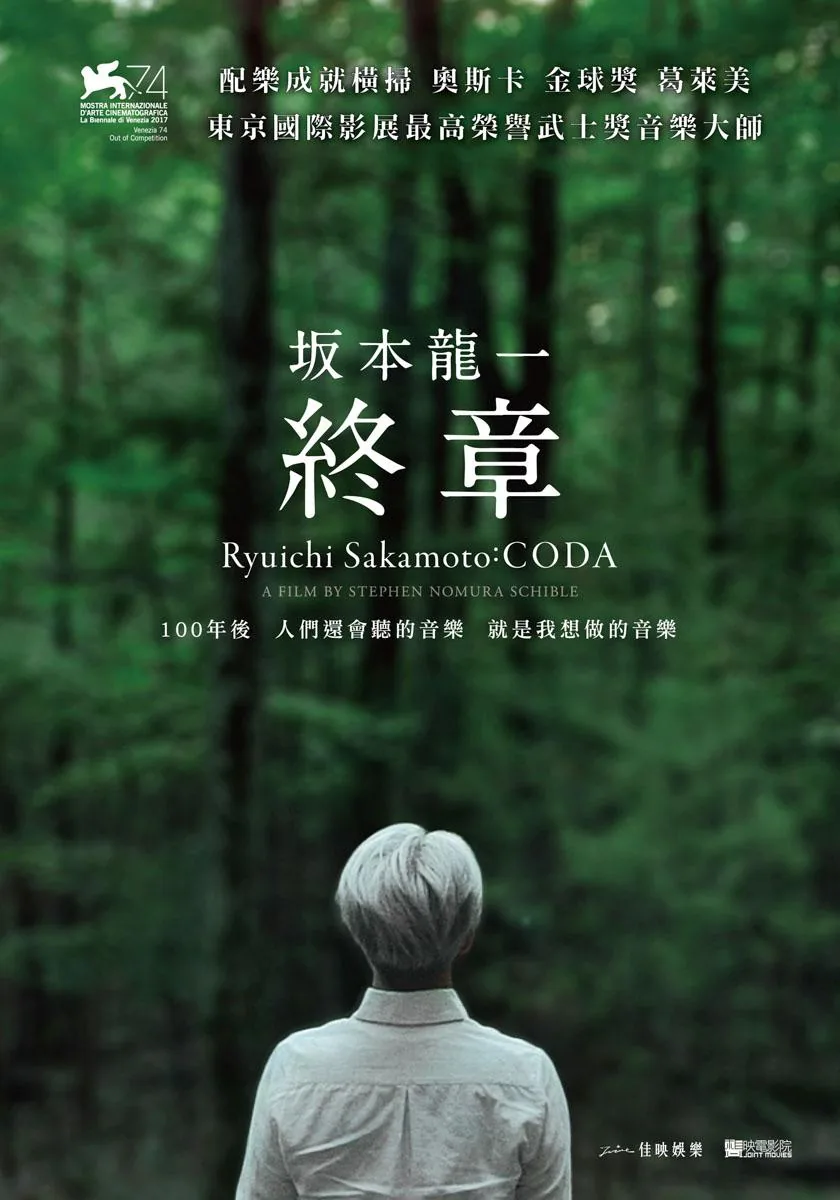
Way back in 1970, when he was still a student and Japan was planning to restart nuclear power plants, Sakamoto was already involved in related protest movements, so the theme of anti-nuclear activism runs through his entire life.
2006: Launching the STOP ROKKASHO project
In Rokkasho Village, Aomori Prefecture, Japan, there is a nuclear fuel reprocessing plant (the Rokkasho Reprocessing Plant), whose work involves extracting uranium and plutonium from spent nuclear fuel.
After learning about the radioactive emissions the plant could cause, Ryuichi Sakamoto decided to use his cultural influence to draw public attention to it.
He launched STOP ROKKASHO:
- Inviting musicians, designers, photographers, and artists to participate.
- Setting up a dedicated website to spread information about the Rokkasho nuclear fuel reprocessing facility.
- Encouraging creators to express opposition through music, visual art, and other forms.
- Hoping to bring an issue previously confined to nuclear experts and local residents into the realm of popular culture.
Electricity can be solved by other means, but human life is what matters most.
In July 2012, he gave a speech at a large anti-nuclear rally held in Yoyogi Park, Tokyo. One line from it later spread widely:
たかが電気のためになんで命を危険にさらさないといけないのでしょうか。
Roughly:
"For the sake of mere electricity, why must we put our lives at risk?"
III. The Final Days of His Life
(1) Complaining About the Playlist During Treatment
He recorded even these tiny details in full, a bit like finding joy in hardship: “This doctor's detox treatment has a special step: smearing a green paste all over the patient's body. The patient is completely naked, wrapped from head to toe in bandages like a mummy, and then the paste — probably made from herbs — is applied on top of the bandages. Then you lie face down and wait quietly for about 30 minutes.
And on top of that, for those 30 minutes you had to wear headphones and listen on forced repeat to music chosen by the doctor's mother—some of it songs she had sung herself. This was absolutely unbearable to me, so on the very first day I told them: "I don't like music, please don't make me listen to music!" In truth, both mother and son were people with an extraordinary spirit of service.
Ryuichi Sakamoto, "listening to songs the doctor's mother sang herself," "I don't like music"—strung together, these words give off a kind of laugh-until-you-cry helplessness.
(II) Communicating with Friends in His Final Days
- Suzuki, who wrote this book's afterword, describes Ryuichi Sakamoto on his sickbed like this: After five months apart, Mr. Sakamoto sat quietly on the sofa in the hotel room, transparent tubes inserted into both nostrils. His appearance told us that his body was in a state of oxygen deprivation. Neither Ito nor I, once inside the room, brought up the tubes; we each greeted Mr. Sakamoto "as usual."
- Sakamoto looked even thinner than the last time we had seen him. He responded to our greetings with a gentle smile and gestured for us to sit down.
For the first few minutes, Mr. Sakamoto's voice was somewhat hoarse, but his tone remained steady throughout, his pronunciation clear, and his volume gradually grew. At times, when he was searching for the right way to express something, his eyes glinted with intellectual light, and his sharpness inspired awe. We spent over two hours in the room. Mr. Sakamoto not only talked about the books he had recently read and what had caught his interest in them, but also spoke with delight about the happy hours he had spent in the company of old books; hearing him tell of these things, we too felt deeply satisfied.
After the meeting, Sakamoto also sent Suzuki an email
"Su-san,
Thank you for today.
As always, it was most enjoyable.
I hope we can meet again without fail.
Ryuichi Sakamoto"
About two hours after receiving this email, at 11:46 p.m., Suzuki received another one.
"Su-san,
I forgot to tell you earlier: the haiku poet Akika Fukazawa's representative work is,
"A butterfly falls, its sound booming, as the ice freezes."
I think it's remarkable.
It left me shaken.
Ryuichi Sakamoto"
This was the last email Suzuki received from him. Twenty days later, it was not a butterfly but Mr. Sakamoto who fell.
He had written "we must meet again," yet it was a parting by life and death. Worried that he had left something out of their conversation, he even added the details of the poem. That is how attentively he treated their talk.
The last sentence Sakamoto himself wrote in the book is: "My story ends here, but as long as I am alive, I will keep touching sound and continue to create new music. Ars longa, vita brevis."
(III) Reading List, Funeral Playlist, and Diary
The book lists the books Ryuichi Sakamoto read in the last few years of his life. I haven't read a single one of them, but the titles alone are enough to glimpse how deeply he loved to think.
Consciousness and Essence (Toshihiko Izutsu)
Laozi's Daodejing (trans. Toshihiko Izutsu)
Zhuangzi ("Chinese Thought VII," supervised by Shigefumi Matsueda and Yoshimi Takeuchi, trans. Yoko Kishi)
Isai Fūga (Jun Ishikawa)
The Wayfarer (Natsume Soseki)
Clear-Day Geta (Kafu Nagai)
Wumenguan (trans. and annotated by Keishin Nishimura)
Revelation (Akika Fukazawa)
Ogai Modern Fiction Collection (Vol. 2) (trans. Ogai Mori)
I Believe Because It Is Absurd (Yutaka Haniya)
There is also a funeral playlist he carefully selected during his lifetime—music truly was the theme running through his entire life.
Funeral Playlist
1 Alva Noto Haliod Xerrox Copy 3 (Paris)
2 Georges Delerue Thème de Camille
3 Ennio Morricone Romanzo
4 Gabriel Fauré La Chanson d'Ève Op 95: No 10 Ô mort poussière d'étoiles (soprano: Sarah Connolly; piano: Malcolm Martineau)
5 Erik Satie Gymnopédie No 1 (Orch Debussy) (conductor: Neville Marriner; Academy of St Martin in the Fields)
6 Erik Satie Le Fils des Étoiles: Prélude du premier acte (piano: Alexei Borisovich Lubimov)
7 Erik Satie Élégie (soprano: Eva Lind; piano: Jean Lemaire)
8 Claude Debussy Préludes/Book 1 L 117: VI Des pas sur la neige (piano: Arturo Benedetti Michelangeli)
9 Claude Debussy Images-Book 2 L 111: II Et la lune descend sur le temple qui fut (piano: Arturo Benedetti Michelangeli)
10 Claude Debussy Le Roi Lear L 107: II Le sommeil de Lear (piano: Alain Planès)
11 Claude Debussy String Quartet in G Minor Op 10 L 85: III Andantino doucement expressif (Budapest String Quartet)
12 Claude Debussy Nocturnes L 91: No 1 Nuages (conductor: Leonard Bernstein; New York Philharmonic)
13 Claude Debussy La Mer L 109: II Jeux de vagues (conductor: Pierre Boulez; Cleveland Orchestra)
14 Domenico Scarlatti Sonata in B Minor K87 (piano: Vladimir Horowitz)
15 J. S. Bach Matthäus-Passion BWV 244 Pt 2: No 63 Choral "O Haupt voll Blut und Wunden" (conductor: Wilhelm Furtwängler; Wiener Singakademie; Vienna Philharmonic)
16 George Frideric Handel Suite in D Minor HWV 437: III Saraband (conductor: Karol Teutsch; Wrocław Chamber Orchestra)
17 Lys Gauty A Paris dans Chaque Faubourg
18 Nino Rota La Strada
19 Nino Rota La Plage
20 Maurice Ravel Menuet sur le Nom d'Haydn M 58 (piano: Vlado Perlemuter)
21 Maurice Ravel Sonatine M 40: II Mouvement de menuet (piano: Anne Queffélec)
22 Bill Evans Trio Time Remembered-Live
23 Toru Takemitsu Doria on the Horizon (conductor: Seiji Ozawa; Toronto Symphony Orchestra)
24 J. S. Bach Das alte Jahr vergangen ist BWV 614 (conductor: Zoltán Kocsis; György Kurtág, Márta Kurtág, Hungarian National Philharmonic)
25 J. S. Bach Chorale Prelude BWV 639 "Ich ruf zu dir Herr" (piano: Tatiana Nikolayeva)
26 J. S. Bach Musical Offering BWV 1079-Ed Marriner: Canones diversi: Canon 5 a (2 per tonos) (Conductor: Neville Marriner; Performers: Iona Brown, Stephen Shingles, Denis Vigay, Academy of St Martin in the Fields)
27 J. S. Bach Sinfonia No. 9 in F Minor BWV 795 (Performer: Glenn Gould)
28 J. S. Bach The Art of the Fugue BWV 1080: Contrapunctus XIV (Fuga a 3 soggetti) (Performer: Glenn Gould)
29 J. S. Bach Die Kunst der Fuge BWV 1080: I Contrapunctus 1 (Performer: SIT FAST Ensemble)
30 J. S. Bach Die Kunst der Fuge BWV 1080: XI Fuga a 3 sogetti (Performer: SIT FAST Ensemble)
31 Nino Rota Mongibello
32 David Sylvian Orpheus
33 Laurel Halo Breath
(The above pieces were played at the funeral)
And a final diary kept during hospitalization
(20210512) In the past, when a person was born, the people around them would laugh; when a person died, the people around them would weep. In the future, life and existence will be held in even greater contempt. Life will increasingly become something easy to manipulate. To die before witnessing such a world is a blessing.
(20210731) The frenzied pursuit of higher and faster competition is extremely close to (Japan's) eugenic thinking. The society we should be pursuing is not this one.
(20211028) (Handwritten in a notebook) Composing in foresight of humanity's extinction and my own death. / I want to see something, read something extremely intense, something that pierces the heart deeply. Currently reading (Sakaguchi) Ango. His work contains powerful passages, but it's not enough. / I want to see Michelangelo's Sistine Chapel.
(20211121) Break down the barriers!
(20211221) Listening to Mozart to restore my sense of musical balance. At the same time, I also feel a distant sense of incongruity in Mozart's music. It's just, so—far away. But I also feel that this is the foundation of music.
(20211224) Right now, what do I want to listen to?
(20211227) Only when everyone's ego disappears can good music be performed.
(20220129) Watching the sunset, I noticed the clouds moving slowly. Right now in Tokyo, how many people are watching this scene? / The movement of the clouds is like soundless music.
(20220320) For me, music is the teahouse on the path up the mountain. / No matter how tired I am, as long as I see it, I quicken my pace, and after eating a rice ball I can climb the second half of the mountain with vigor.
(20220321) The Ninth (Symphony) is both savage and noble.
(20220418) Things have come to this—I am now prepared to accept any fate.
(20220616) Back to New York / Sleepless night / Beautiful morning
(20220807) Jules and Jim is wonderful! It makes me want to read Guillaume Apollinaire's novels. At the same time, I also want to read Tsurezuregusa.
(20220923) I can't live without old books. / I also like guardrails.
As I copy out these diary entries like this, an indescribable feeling wells up inside me...
(20221011) Living is such a hassle
(20221115) Night, loss, excitement, confusion
(20221224) Finished the piece for SUGA / Watched Jim Jarmusch's Paterson / Interested in Frank O'Hara and William Carlos Williams
(20230101) Mayakovsky's imagination is extraordinary
(20230117) 71 years old—so I've lived another year? ... / Reading Toshihiko Izutsu
(20230218) Watching the recording of NHK's Yukihiro (memorial program) / Damn! Doesn't Rydeen [6] sound like a sad song now?
(20230221) Spoke on the phone with Teacher Lee (Ufan), who told me to adjust my breathing
(20230306) Participating in the Oscar voting
(20230311) Twelve years have passed since the great disaster of the 3/11 Great East Japan Earthquake / There are many ways to generate electricity / Choosing the most dangerous and flawed nuclear power among them is foolish
(20230316) Music Full moon
(20230324) No energy
(20230326) 0545 Body temperature 36.7°C / Blood pressure 115-80 mmHg / Oxygen saturation 97%
From birth to death, he was a man accompanied by music. Though only 71, his family and friends all said his life seemed three times as long as others'. I can't help but think of that Miyazaki film—How Do You Live?
读坂本龙一自传《我还能看到多少次满月升起》——人生无常,难敌自然
2023年3月28日,坂本龙一因癌症去世,享年71岁。大家都在发朋友圈悼念,四处是关于他的黑白海报,以及圣诞快乐,劳伦斯先生。
当时对我来说并没有太大的触动。他给我的印象是,很有气质很出名,有好听的钢琴曲,但我并没有听过他的很多作品,因此不是歌迷。当时只是在心底短暂地悼念过。
三年后的今天,一个偶然的机会,我看到有B站UP主推荐了他的自传《我还能看到多少次满月升起》,这个书名实在是太过遗憾了。
这是书里坂本龙一对这个书名的解释:
“2022年迎来了古稀之年的我,最近时常会想起这句话。可能有人还记得这句台词出自电影《遮蔽的天空》(1990),它也是我在《末代皇帝》(1987)之后再次参与原声音乐创作的贝纳尔多·贝托鲁奇导演的电影作品。 在电影的结尾,小说原作者保罗·鲍尔斯登场,缓缓说出这段话: 因为不知死何时将至,我们仍将生命视为无穷无尽、取之不竭的源泉。然而,一生所遇之事也许就只发生那么几次。曾经左右过我们人生的童年回忆浮现在心头的时刻还能有多少次呢?也许还能有四五次。目睹满月升起的时刻又还能有多少次呢?或许最多还能有二十次。但人们总是深信这些机会将无穷无尽。 实际上鲍尔斯在电影拍完之后不到十年就离开了人世,而我在参与电影《遮蔽的天空》原声音乐创作的时候也才三十多岁,尽管鲍尔斯的这段话给我留下了深刻的印象,但那时并没有太多感同身受。”
在这本自传里,我看到了一位艺术家、名人,聚光灯以外的,鲜活的人生。本文的论述分为三部分,第一部分是坂本龙一关于艺术的思考,第二部分是他所历经的日常小事,第三部分则是生命中最后的日子。
一、关于艺术的思考
(一)在观众面前演奏才是真正的练习
坂本龙一在自传里说:“我从小就不喜欢练钢琴。我的理论是,只有在观众面前演奏才算是真正的练习,这不是炫耀,我也基本不怎么排练。观察其他音乐家,我的理论也可以成立。我觉得演奏很厉害的音乐家,因为各种原因,在观众面前表演的机会减少,几年之后再看,他的演奏就失去了往日的光彩,实在令人心痛。演员也一样,只有实际在观众面前表演才能真正成为专业人士,在家里再怎么练习也没有意义。”
他形容进入心流状态的时候,不知不觉弹了两个小时,就像音乐之神从天而降,钩子钩住把他提升到了更高的舞台上。他不再有试图去控制钢琴的念头,只剩手指在琴键上行云流水般地移动着,弹错音也不再让他分心。
1996年,他在希腊雅典的圆形剧场演奏时,本来是和另外两位音乐家进行一场三重奏音乐会,但他把手指放在键盘上准备弹第一首曲子,之后便一发不可收地弹了下去,有30分钟左右的时间,都是他一个人完全忘我地在演奏。过了一会儿,他才意识到大提琴手和小提琴手正盯着他看。实在是太忘我了。曲间休息时,在他背后,一轮明月在希腊建筑的圆柱间缓缓现出身姿。
我大学时候也曾在音乐工作室学习吉他,当时上台表演的时候异常紧张,想按的音符流畅的练习过程全然不见了,只剩下大脑一片空白。我的演出机会还是太少了,还没适应舞台,所以还未能理解坂本龙一说的这种体验。还是偏向于在房间里一个人默默练习。但他的这种观点似乎是在说,音乐只有为创作者以外的他人听到,才有更丰富的意义,这也符合音乐作品传播的特性吧。而且有一点是在场性,在现场听演奏和听MP3是完全不同的。
(这是我之前参加黑客松时看到演出现场的感受)
(二)被没完没了地要求演奏《圣诞快乐,劳伦斯先生》
坂本记录了一次很有意思的换位思考逻辑:
为什么我还要执着于写出超越《圣诞快乐,劳伦斯先生》的作品呢?当然,这首曲子是我的代表作,为世人所知,但我真的很讨厌公众印象就此固定,因此有十年左右的时间,我坚决不在演奏会上弹它。不论我走到哪里,都会被人问:“您能演奏一下《圣诞快乐,劳伦斯先生》吗?”真是没完没了,让我受够了。
那我又是为何再次演奏这首曲子呢?其实契机是2010年我在日本的时候,去武道馆看了卡洛尔·金和詹姆斯·泰勒的演唱会。我和其他观众一样,都在等着卡洛尔·金唱她的名曲《你有个朋友》(You've Got a Friend),但那天卡洛尔像故意吊观众胃口一样,迟迟不唱。等到最后的最后,卡洛尔终于唱了这首歌,我心满意足,觉得能在现场听到太好了。后面还有返场曲目,但听完这首我就回家了。 想着“我才不要弹《圣诞快乐,劳伦斯先生》”而固执地拒绝演奏的我,轮到自己去别的艺术家的演奏会,却因为听不到代表曲目而烦躁不安。所以那时我就想通了:我不应该否定那些冲着《圣诞快乐,劳伦斯先生》来坂本龙一演奏会现场的观众的存在。
(三)音乐产生于噪声
文中写道:“这个项目的名称是‘Music Comes Out of Noise’,也就是“音乐产生于噪声”。然而,与雕塑家米开朗琪罗看到大理石时,眼前就会浮现出大卫形象的感觉略有不同,对我来说,这句话要表达的更类似于玩沙子的感觉。
在公园的沙堆里,孩子们对自己要创作些什么没有预设,在玩耍的过程中,他们手中的沙子有时变成桥,有时变成王宫,并没有事先准备好的设计图。制作Out of Noise也是这样,我希望能做出让听众在听着杂音时脑中渐渐浮现出音乐的作品。在模拟信号电视时代,当天节目结束后的深夜,电视上会出现黑白的‘雪花’图案和‘吱——’的刺耳声音。当你喝醉了,盯着这些‘雪花’图案看,渐渐眼前可能会浮现出一些图像或音乐。制作Out of Noise的目的,可能就是要接近那种感觉。”
作为创作者,有一些同感,很多时候感觉是模糊不清的,并未想到这些感觉能够变成怎样的文字,只是在慢慢积累的过程中,比如历经更多的事阅读更多的作品,文字才逐渐成形。
(四)语言固化了自然的边界
(坂本龙一在家中庭院里进行野外录音)
提及语言对思维的影响时,他说:【思考人类语言的功能时,我认为语言实际上为无形的事物划定了边界。听到“雾”这个词,就会感受到雾的存在;听到“天空”一词,就会感受到天空的分界线。就像孩子们画花的时候,他们可能会画花瓣、雄蕊和雌蕊,但这种选择可能很大程度上受到语言的影响。
本来自然界的一切都是相互联系的,语言却给出了界限。当然,这种界限有它的好处,但随着年龄的增长,我渐渐觉得这可能就是人类谬误的根源所在。因此,在《生命—流动,不可见,不可闻……》中,我想将不断变化的水的形态当作一个整体来表现。 本质上,我们的身体可能就是流动的,然而,一旦与语言联系起来,就会变得固定。回想起来,从这个时期开始,我有了逃避逻辑认知,接近自然本身的愿望。】
是呀,对于花而言,香味和形状是一体的,不可分割,但是我们的学科把香味归于化学,形态归于物理,把物本身撕裂开来,为了方便研究,但要感受他们实际是一体的。自然不说教,只是靠近本身就让人心神安宁了。
(五)海锈钢琴
(在日本宫城县农业高中邂逅“海啸钢琴”)
书里记录了一件特别神奇的事情,被海水腐蚀过的钢琴,听到海锈钢琴这个词就感到一种非凡的沧桑:
我得到消息说有一架钢琴被海啸泥水淹没,于是特地前往宫城县名取市观看。实际看到钢琴时,我的第一反应是钢琴的坚固程度超出了我的想象,即使遭受了如此大的灾难,它的形态也没有像其他乐器那样支离破碎。当然,由于长时间被浸泡在盐水中,金属琴弦已经完全生锈。木制琴键也因浸泡而膨胀,有一半按下去无法恢复弹起。它无法被轻易修复,即使能修复一部分,也无法用于一般的演奏。
然而,当我按下这架破碎的“海啸钢琴”的琴键,聆听着那些已经完全失调的琴弦发出的独具特色的声音时,不禁感到这些琴弦在被海啸的自然之力摧毁后,竟变得如此不同寻常。仔细想想,钢琴本身就是一种人工造物,它由产自自然界的木材,与钢铁相接,为了发出人类喜欢的声响而被制造出来。因此,反过来说,我也感觉到,自然的力量——海啸摧毁了人类的自负,让这架钢琴变成了更加接近自然本身的形态。我把它带回家之后,于2017年创作了装置作品《你的时间》(Is Your Time)。我也使用“海啸钢琴”的声音制作了同年发行的专辑《异步》。
得益于此经历,坂本龙一创作了新的2部作品,这更好回应了他前面提到的音乐产生于噪声,以及接近自然更能激发想象的观点。
(为《时间》写下的笔记和乐谱)
(制作《异步》时的备忘录和参考资料)
当同年他去到日本大地震沿海受害地区的废墟时,深深地觉得,人类创造的一切最终都会被毁灭,人类根本无法与自然抗衡。 他提到喜欢一位名叫安塞尔姆·基弗 的德国艺术家。他以包括纳粹政权在内的德国现代史中的暗黑部分为主题,以用真实的稻草和灰烬等素材制作的大幅画作而闻名。
但相较于那些废墟,安塞尔姆那些震撼人心的作品也会黯然失色。坂本龙一由此陷入一种即使人类努力创作音乐和进行表达,最终也会丧失意义的无力感。
(安塞尔姆的作品Palm Sunday(棕枝主日),2006
一棵巨大的枯萎棕榈树横卧在展厅地面上。它既像一具遗骸,也像某种古老文明留下的遗迹。作品讨论死亡、重生与时间循环。
二、一些日常小事
(一)友人的存在
坂本龙一在住院期间意志消沉时,关于什么是朋友有了新的定义。他记叙道:【我以前老是把“我没有朋友”这句话挂在嘴边,二十多年前,也曾经尝试对“朋友”这个词下定义。 那时候我的结论是,当身处困境,比如家里发生火灾,进了小偷,又或是马桶漏水,马上能打电话商量的人,就是我的朋友。
而这次生病,我又数了数能商量的对象,发现在美国,在欧洲,当然还有日本,都有好几个这样的人,不由得心生感激。 朋友不需要非得跟我有一样的思想信念和兴趣爱好,唯一的要求就是:值得信赖。即使这样的人数量不多,但他们的存在已经让我觉得自己十分幸运。】
如今我们的微信里躺着太多一面之交的朋友,遇到困难时我们会选择打电话给谁呢?这样想起的才会是真正的朋友吧。只是志趣相投的人,对方未必很关心你,只是在某个事物上有所交集。我也很幸运有这样能够随时开口的朋友。
坂本龙一另外记录了大学时代和朋友打麻将以及借钱吃饭的事情,让人讶异原来他是这样“厚脸皮”的人哈哈。
不过话说回来,回忆起过去真是很怀念啊!和大贯妙子认识是在20世纪70年代,那时我们都还没有红起来,总之是有大把的时间的。想打麻将的时候,两个人也打不起来,就打电话邀请和我们关系不错的山下达郎:“来不来?”山下便立刻开着他在练马区老家面包店的轻型卡车,赶过来打麻将。还叫上住在附近的吉他手伊藤银次,我们四个人一直围着麻将桌打牌,连续三天熬夜简直是家常便饭。 想想当时我们谁也没有正经工作,到底是怎么过日子的呢?
不过,我当时在艺大有学籍,虽然常常逃课,肚子饿了,还是可以用通勤月票乘电车去位于上野的大学。然后我就一直在食堂前蹲点,像张着蜘蛛网一样等待熟悉的面孔出现。“你有钱吗?”“能不能请我吃饭?”如此这般地敲诈别人,非常厚颜无耻。反正那时候,一碗猪排饭也只要90日元嘛。
(二)难堪的瞬间
坂本龙一说实际上他非常讨厌旅行,尽管在旅途中可能会从目睹的事物中获得灵感。这倒是与我们对艺术家的印象有些相悖。
他说:【我曾经独自在葡萄牙逗留,某天,当地唱片公司的工作人员一大早亲自开车带我在城里游览。当然,我也知道他是出于好意,便勉强跟着他出了门。在参观了几个所谓的旅游景点,一起吃过午餐,准备前往下一个景点时——正值下午三点——遭遇了堵车。我们的车在路上堵了好一阵子,完全没有前进的迹象。我的耐心被消磨殆尽,积累了一整天的压力爆发了——我打开车门,大声喊道:“我恨观光!” 然后就步行回了酒店。那位工作人员简直惊讶得下巴都要掉了。
在我离开葡萄牙的那一天,这位工作人员特地赶来送我,还向我低头致歉:“这次我没有征求坂本先生的意见就擅作主张,真的非常失礼。”他还递给我一瓶高级红酒赔礼。我反省着自己的不成熟,也理解他是出于百分百的善意才会带我去观光,于是一边说着“是我没有解释清楚,非常抱歉”,一边接过了那瓶酒……一瞬间,我手滑了,红酒连瓶带酒砸到了地上,瓶子碎了,机场大厅的地板顿时染上了红色。空气中弥漫着红酒的芳香气味,显然这尴尬的气氛已经无法挽回。看着哭丧着脸的他,我想我真的做了一件很糟糕的事情。】
读起来就很有社死的画面感了,让人觉得无从收场。
(三)社交恐惧患者
原来出席那么多活动的他,也不是很擅长与所有人打交道,压力太大真的会导致发烧吗?
要承办艺术节,就必须与当地的政治家和名流搞好关系。札幌国际艺术节是使用了纳税人缴纳的税金的正式项目。作为艺术节的代表,我也去了商工会议所的青年部和当地名流聚集的地方,拜托他们“务必支持艺术节项目”。明明我最不擅长的就是这种社交应酬。有一次,因为压力太大,饭局结束后第二天我就发烧了。
(四)失败的艺术节飞鸽
20世纪80年代,坂本在巴厘岛的稻田道上,被数十只鸽子佩戴哨子的声音惊艳,它们在空中绕着大圈旋转。随着鸽子的移动,这哨声也成团似的去到远处,然后又返回头顶上方。
这个场景深深震撼了坂本,他想在艺术节的开幕式上重现。他每次去札幌出差,都会去当地的工厂探访,反复调整哨子的形状,希望它们能发出优美的声音。
但在开幕式市长宣布“札幌国际艺术节现在正式开幕”的瞬间,佩戴哨子的鸽子一齐放了出去。但没有一只鸽子在空中旋转,它们迅速地飞走了,美妙的哨声也根本没能在空中响起。他推测也许是鸽子不习惯莫埃来沼公园的环境,迫不及待地想回到自己的巢中,抑或是它们感觉到周围有鹰之类的猛禽的存在而害怕了。
大失败的策划,但这种将自己受到的触动,变成行动方案的方式真的太酷了。
(五)衰老的迹象:老花眼
坂本极其具体地描述了衰老的感觉:
我第一次感受到“衰老”是在我42岁的时候。那天我像往常一样走进工作室准备录音,坐在椅子上,拿起乐谱,却发现眼前的五线谱有些模糊,不知为何看不清音符的位置。一开始我以为是灯光太暗的缘故,让助手又拿了一盏灯过来,可眼前的乐谱还是模糊不清。好奇怪啊,我又尝试调整了桌子的高度,但情况依然没有好转。我靠着椅背发了好一会儿呆,这样下去我没办法工作啊,这可如何是好。 过了一会儿,我又拿起乐谱,发现刚才看不清的五线谱和音符现在又清晰可见了。我从小到大视力一直保持在1.5,这种眼前的东西一片模糊的体验对我来说也是头一遭,这让我大受震撼,但确实也束手无策。即便对“老”字带有抵触情绪,无奈之下我还是决定配一副老花镜。
(六)为反核做出的努力
坂本记录的一个故事看得人很心酸。音乐节活动的一路上摆满了摊位。其中一个摊位是一位老奶奶在卖水果,她笑着对人们说:“福岛的桃子很甜很好吃,但孩子们最好不要吃哦。”她清楚地知道体内辐射的危险性,同时还在卖那些桃子。老奶奶还说:“但老人吃的话,没关系。”这一幕让坂本感触万千。
对于老人来说,也许福岛是离她最近的收货渠道了,我们无从评价她的行为,而且她也明确告知了购买者。但这里隐隐透露了福岛危机给普通人带来的悲哀。
福岛危机的背景来源于2011年3月11日,日本发生东日本大地震、海啸以及福岛第一核电站事故。坂本龙一随后开展了几项行动。
① 发起 kizunaworld 赈灾项目
他与平野友康共同创立了 kizunaworld.org。
这个项目通过艺术家提供的音乐等数字内容,鼓励公众捐款帮助受灾地区。捐款者可以获得艺术家提供的专属作品。
它并非专门的反核项目,而是针对地震、海啸和核事故之后的灾区援助。
② 参与反对核电站重新启动的示威活动
2012年,日本政府推动部分核电机组重新启动,引发了大规模社会抗议。坂本龙一关注并支持首相官邸前的反核示威活动,也亲自参与相关集会。
他担心的是:福岛事故尚未得到彻底解决,日本社会却可能重新回到依赖核电的旧有能源体系。
③ 亲自前往福岛受灾地区
他曾前往核事故影响区域,观察事故留下的环境和社会创伤。
纪录片《坂本龙一:终曲》(Ryuichi Sakamoto: CODA)记录了他在福岛受污染区域的探访,以及他对核事故的思考。
这部纪录片很值得看,因为它不仅记录了他的音乐创作,也记录了他如何将音乐、自然、政治和生命联系起来。
在很早很早的1970年,从学生时代日本打算重启核电站的时候,坂本就参与了相关抗议运动,所以反核这个主题也贯穿了他的一生。
2006年:发起 STOP ROKKASHO 项目
日本青森县六所村有一座核燃料再处理工厂(Rokkasho Reprocessing Plant),其工作涉及从乏核燃料中提取铀和钚。
坂本龙一了解到这座工厂可能造成的放射性物质排放问题后,决定利用自己的文化影响力推动公众关注。
他发起了 STOP ROKKASHO:
- 邀请音乐家、设计师、摄影师、艺术家参与。
- 建立专门网站,传播六所村核燃料再处理设施的信息。
- 鼓励创作者通过音乐、视觉艺术等形式表达反对意见。
- 希望让原本局限于核能专家和当地居民之间的议题进入大众文化领域。
电力还有其他方法可以解决,但是人命是最重要的。
2012年7月,他在东京代代木公园举行的一场大型反核集会上发表演讲。其中有一句话后来广为流传:
たかが電気のためになんで命を危険にさらさないといけないのでしょうか。
大意是:
「为了区区电力,我们为什么非得拿自己的生命去冒险呢?」
三、生命最后的日子
(一)治疗时吐槽歌单
这些细微之处也被他全然记录了下来,有点像在苦中作乐:【这位医生的排毒治疗还有一个特别环节,就是给患者全身涂抹绿色的糊状物。患者完全赤裸身体,像木乃伊一样用绷带缠绕全身,然后在绷带上涂上大概是由草药制成的糊状物,接着趴着静待30分钟左右。
而且,在这30分钟里要戴着耳机,强制收听由医生的母亲挑选的音乐,其中有些甚至是她自己唱的歌曲。这一点我绝对无法忍受,所以第一天就告诉他们:“我不喜欢音乐,请不要让我听音乐!”其实他们母子俩都是服务精神特别强的好人啊。】
坂本龙一“听医生母亲自己唱的歌曲”“我不喜欢音乐”,这几个词组合起来有种笑疯了的无奈感。
(二)弥留之际与友人的通讯
写这本书代后记的铃木先生。是这样形容在病床上的坂本龙一的:【阔别5个月的坂本先生,两边的鼻孔插着透明的导管,静静地坐在酒店房间里的沙发上。他的样子,诉说着他的身体正处于缺氧状态。进到房间里的我和伊藤,谁都没有提起插管的事情,各自向坂本先生“如常”打了招呼。
坂本先生比之前见到的时候仿佛又瘦了一些,他用温和的笑容回应了我们的问候,并示意我们坐下。
坂本先生说话的声音,在最初的几分钟里有一些喑哑,但他的语调一直很平稳,发音清晰,声量也逐渐变大。而且有时候,他在思索该用什么表达方式时的眼光,闪烁着知性的光芒,他的敏锐让人心生敬畏。我们在房间里度过了两个多小时,坂本先生不仅谈论了他最近阅读的书和其中引起他兴趣的内容,并满怀喜悦地讲述了他与旧书相伴度过的幸福时光,听他讲述这些,我们也深深地感到满足。】
在会面之后,坂本还给铃木发送了邮件
“Su桑,
今天谢谢您。
一如既往地非常愉快。
希望有机会务必再见面。
坂本龙一”
在收到这封邮件大约两个小时后,晚上11点46分,铃木又收到了另外一封邮件。
“Su桑,
刚才忘了跟您说,俳人富泽赤黄男的代表作是,
“蝴蝶坠落,其声轰隆,冰冻之时”。
我觉得很了不起。
让我很震惊。
坂本龙一”
这是铃木收到的来自他的最后一封邮件。20天之后,不是蝴蝶,而是坂本先生坠落了。
明明留言了“务必再见面”,却是生离死别。担心自己的交谈遗漏了什么,还补充诗句的细节。如此用心地对待谈话。
书里坂本自己所写的最后一句话是“我的故事到这里就结束了,但只要我还活着,就会继续触碰声音,并不断创作新的音乐吧。Ars longa,vita brevis(艺术千秋,人生朝露)。”
(三)书单、葬礼曲目与日记
书中列举了坂本龙一生命最后那几年里,阅读的书籍。我没有看过其中的任何一本,但足以从书名中窥见,他是如此热爱思考。
《意识与本质》(井筒俊彦 著)
《老子道德经》(井筒俊彦 译)
《庄子》(“中国思想Ⅶ”,松枝茂夫、竹内好 监修,岸阳子 译)
《夷斋风雅》(石川淳 著)
《行人》(夏目漱石 著)
《晴日木屐》(永井荷风 著)
《无门关》(西村惠信 译注)
《默示》(富泽赤黄男 著)
《鸥外近代小说集(第二卷)》(森鸥外 译)
《不合理故我信》(埴谷雄高 著)
还有一份他生前精心挑选的葬礼曲目,音乐真的是他贯穿一生的主题。
葬礼曲目播放列表
1 阿尔瓦·诺托 Haliod Xerrox Copy 3(Paris)
2 乔治·德勒吕 Tème de Camille
3 恩尼奥·莫里科内 Romanzo
4 加布里埃尔·福雷 La Chanson d’Ève Op 95: No 10 Ô mort poussière d’étoiles(演唱:莎拉·康诺莉,演奏:马尔科姆·马尔蒂诺)
5 埃里克·萨蒂 Gymnopédie No 1(Orch Debussy)(指挥:内维尔·马里纳,演奏:圣马丁室内乐团)
6 埃里克·萨蒂 Le Fils des Étoiles: Prélude du premier acte(演奏:阿列克谢·波里索维奇·鲁比莫夫)
7 埃里克·萨蒂 Élégie(演唱:埃娃·琳德,演奏:让·吕梅尔)
8 克洛德·德彪西 Préludes/Book 1 L 117: VI Des pas sur la neige(演奏:阿尔图罗·贝内代托·米凯兰杰利)
9 克洛德·德彪西 Images-Book 2 L 111: II Et la lune descend sur le temple qui fut(演奏:阿尔图罗·贝内代托·米凯兰杰利)
10 克洛德·德彪西 Le Roi Lear L 107: II Le sommeil de Lear(演奏:阿兰·普雷内斯)
11 克洛德·德彪西 String Quartet in G Minor Op 10 L 85: III Andantino doucement expressif(演奏:布达佩斯弦乐四重奏乐团)
12 克洛德·德彪西 Nocturnes L 91: No 1 Nuages(指挥:伦纳德·伯恩斯坦,演奏:纽约爱乐乐团)
13 克洛德·德彪西 La Mer L 109: II Jeux de vagues(指挥:皮埃尔·布列兹,演奏:克里夫兰交响乐团)
14 多梅尼科·斯卡拉蒂 Sonata in B Minor K87(演奏:弗拉基米尔·霍洛维茨)
15 J. S. 巴赫 Matthäus-Passion BWV 244 Pt 2: No 63 Choral“O Haupt voll Blut und Wunden”(指挥:威廉·富特文格勒,演唱:维也纳新学院合唱团,演奏:维也纳爱乐乐团)
16 乔治·弗里德里希·亨德尔 Suite in D Minor HWV 437: III Saraband(指挥:卡罗尔 泰乌奇,演奏:弗罗茨瓦夫室内乐团)
17 丽兹·高蒂 A Paris dans Chaque Faubourg
18 尼诺·罗塔 La Strada
19 尼诺·罗塔 La Plage
20 莫里斯·拉威尔 Menuet sur le Nom d’Haydn M 58(演奏:瓦尔多·佩勒姆特)
21 莫里斯·拉威尔 Sonatine M 40: II Mouvement de menuet(演奏:安妮·奎佛莱克)
22 比尔·埃文斯三重奏 Time Remembered-Live
23 武满彻 《地平线上的多里亚》(指挥:小泽征尔,演奏:多伦多交响乐团)
24 J. S. 巴赫 Das alte Jahr vergangen ist BWV 614(指挥:佐尔坦·科奇什,演奏:库塔格·捷尔吉、玛塔·捷尔吉、匈牙利国家爱乐乐团)
25 J. S. 巴赫 Chorale Prelude BWV 639“Ich ruf zu dir Herr”(演奏:塔蒂亚娜·尼古拉耶娃)
26 J. S. 巴赫 Musical Ofering BWV 1079-Ed Marriner: Canones diversi: Canon 5 a(2 per tonos)(指挥:内维尔·马里纳,演奏:伊欧娜·布朗、斯蒂芬·辛格尔斯、丹尼斯 维杰伊、圣马丁室内乐团)
27 J. S. 巴赫 Sinfonia No 9 in F Minor BWV 795(演奏:格伦·古尔德)
28 J. S. 巴赫 Te Art of the Fugue BWV 1080: Contrapunctus XIV(Fuga a 3 soggetti)(演奏:格伦·古尔德)
29 J. S. 巴赫 Die Kunst der Fuge BWV 1080: I Contrapunctus 1(演奏:SIT FAST乐团)
30 J. S. 巴赫 Die Kunst der Fuge BWV 1080: XI Fuga a 3 sogetti(演奏:SIT FAST乐团)
31 尼诺·罗塔 Mongibello
32 大卫·西尔文 Orpheus
33 劳雷尔·海洛 Breath
(以上曲目于葬礼上播放)
还有一份住院治疗期间最后的日记
(20210512)在过去,人出生的时候,周围的人们会欢笑,人死去的时候,周围的人们会哭泣。未来,生命与存在将被更加轻视。生命将越来越容易成为被操纵的对象。在目睹这样的世界之前死去,是一件幸福的事。
(20210731)狂热地追逐更高、更快的竞赛,与(日本的)优生思想极其相近。我们应该追求的不是这样的社会。
(20211028)(在笔记本上手写的)预见人类的灭亡和自己的死而作曲。/想看一些、读一些极其激烈的东西,一些能深深刺痛心灵的东西。正在读(坂口)安吾。他的作品蕴含有力的部分,但还不够。/想看米开朗琪罗的西斯廷教堂。
(20211121)打破障壁!
(20211221)听莫扎特来恢复音乐的平衡感。与此同时,也觉得莫扎特的音乐有种遥远的违和感。就是,好——远啊。但也感觉这就是音乐的基础。
(20211224)此刻,想听什么?
(20211227)当大家的自我消失的时候,才能演奏好的音乐。
(20220129)看着夕阳,注意到了云在缓慢地移动。此刻的东京,有几个人在看着这一幕呢?/云的移动像是没有声音的音乐。
(20220320)对我来说,音乐就是通往山顶道上的茶屋。/不管有多累,只要看到它,就会加快脚步,吃了饭团登山的后半程也能精神抖擞啊。
(20220321)第九(交响曲)既野蛮又高贵。
(20220418)事已至此,已经有了接受任何命运的准备。
(20220616)回纽约/不眠之夜/美丽的早晨
(20220807)《祖与占》太棒了!让人想读纪尧姆·阿波利奈尔的小说。同时也想读《徒然草》。
(20220923)我没有旧书就会活不下去。/我还喜欢防护栏。
当我像这样抄写着这些日记,有种难以言喻的感情涌上心头……
(20221011)活着好麻烦
(20221115)夜晚、丧失、兴奋、混淆
(20221224)写好了给SUGA的曲子/看贾木许的《帕特森》/对弗兰克·奥哈拉和威廉·卡洛斯·威廉姆斯感兴趣
(20230101)马雅科夫斯基的想象力非同寻常
(20230117)71岁,又多活了一年吗?……/阅读井筒俊彦
(20230218)观看NHK幸宏(纪念节目)的录像/可恶!Rydeen [6] 不就听起来像一首悲伤的曲子了吗?
(20230221)和李(禹焕)老师通了电话,他让我调整呼吸
(20230306)参加奥斯卡金像奖的投票
(20230311)“3·11”东日本大地震的大灾难过去12年了/发电的方法有很多/在其中选择最危险、最不完善的核电是愚蠢的
(20230316)音乐 满月
(20230324)没有精力
(20230326)0545 体温36.7度/血压115-80mmHg/血氧饱和度97%
从生到死,都是与音乐为伴的人,虽然只有71岁,但家人朋友都说他的生命仿佛是别人的三倍之长。不禁让我想到宫崎骏的那部电影,你想活出怎样的人生?
Related
- The Zettelkasten Method: How to Turn Forgotten Notes into a Living Network of Ideas / 社会学家卢曼的卡片盒式笔记法:如何让积灰笔记,变成思想资产?
- All guides
- Spoor home
- Community canvases